How to react in case of fire

The lesson is regarding appropriate reaction in case of fires and self-protection in that kind of situation. We will separately discuss for self-protection at home, and we will explain instruction that person should follow when she/he can leave the home, and when they can’t leave the home. We will also discuss regarding self-protection at school and at student dormitory, and separately instructions that persons should follow in a situation when they can leave the school, as well as the situation when they can’t leave the school. Another part, we will explain the instructions that children, youth and persons with disabilities should follow in a case of forest fires. There are directions that they need to respect depending on the real situation. At the end, we will tell to children, youth and persons with disabilities something more about fires: calling 112, fire extinguishers, evacuation plan, smoke detectors, electricity, cigarettes, candles, etc.
Course Video
Course Content
How to react in case of fire
Introduction
Fire is an uncontrolled burning that threatens human life and health, material values or the natural environment. The fire can be accidental or intentionally caused for the purpose of sabotage or as a result of pyromania, or it is caused unwantedly.
How to react in case of fire at home
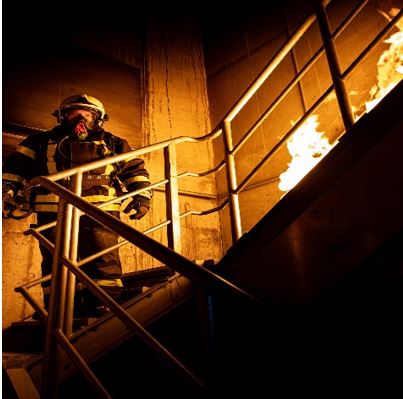
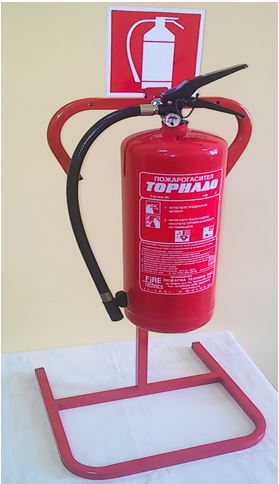
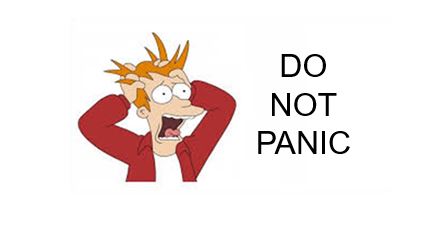
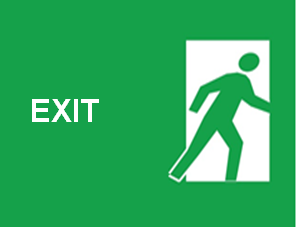
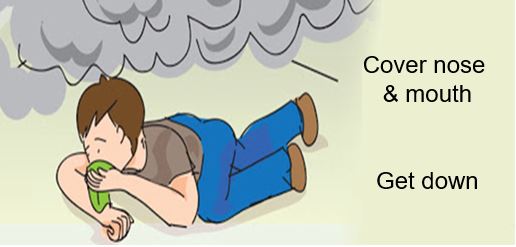
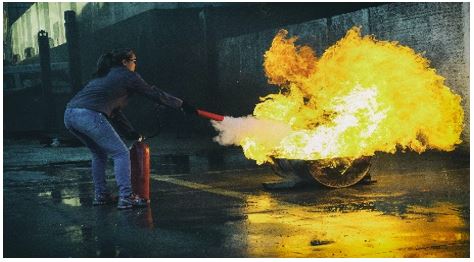
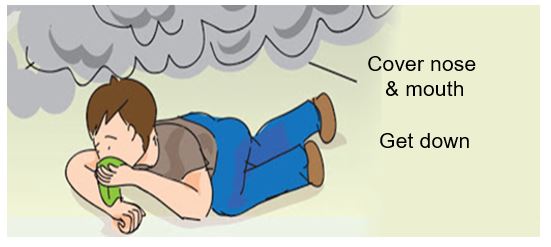
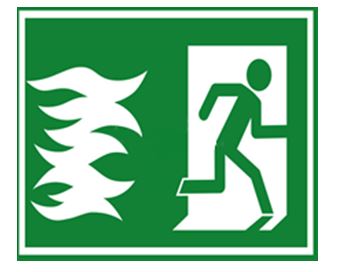
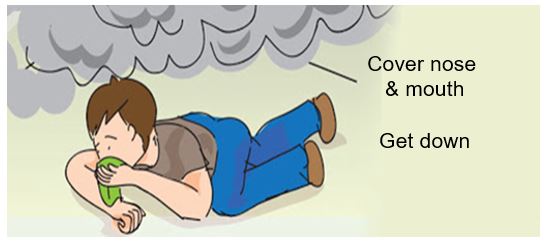
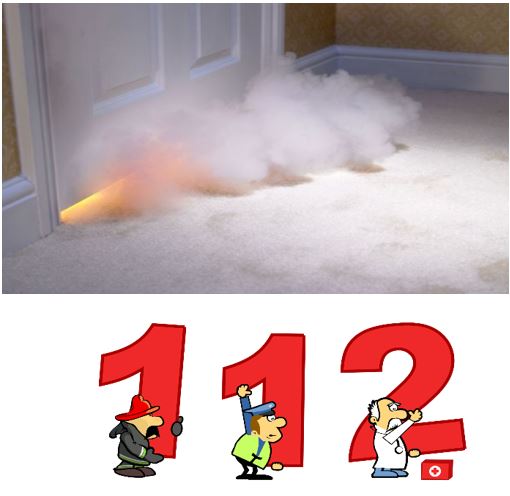
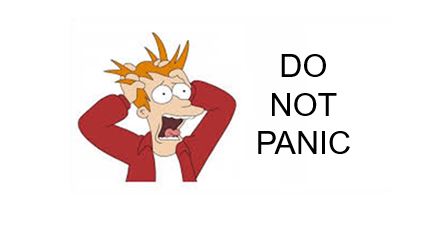
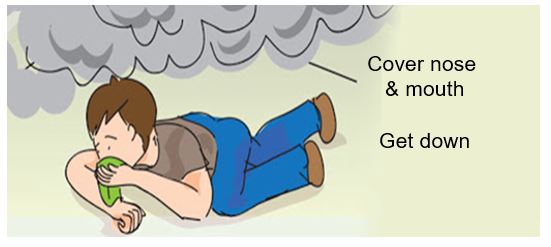
If the fire is very small, try to extinguish it with a fire extinguisher or water. If the fire is due to an electricity short-circuit, do not use water. Кeep your composure, do not panic.Proper action requires us to evacuate first and then call 112 for an emergency call.Leave the building immediately. Do not stop and use evacuation routes (corridors, stairs, external stairs).The use of elevators is prohibited during the evacuation. During evacuation, close the doors behind you.If you catch fire - stop, lie down, cover your face with your palms, and roll until the fire goes out. If it is smoky, cover your mouth and nose with a towel or clothing, moving low to the ground. Call 112 Say who is calling Address of the building Giving instructions on where the fire is and whether there are trapped people, animals, etc. After leaving the building, do not go back for anything. Use tapes, wet towels or clothes to close any cracks around the door. Open the windows and stand next to them.

How to react in case of fire in school
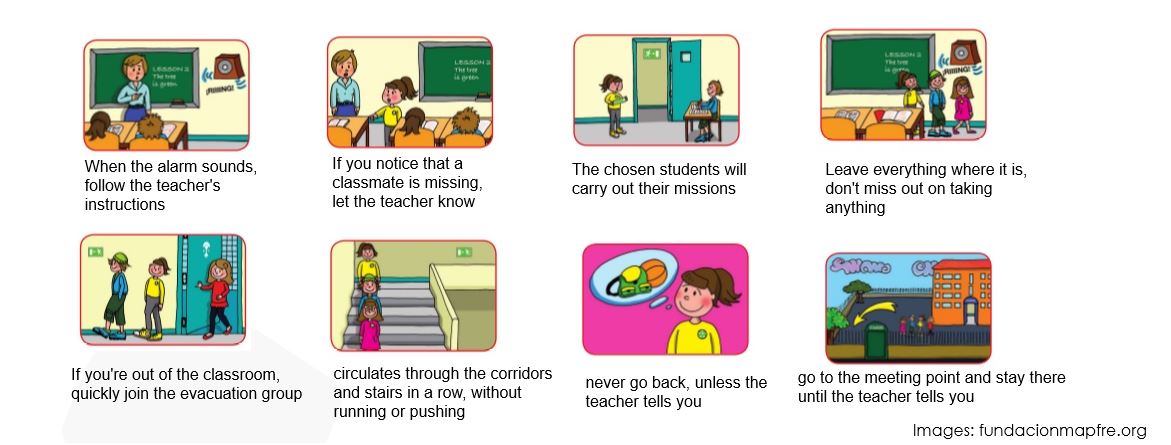
The message for evacuation in a school can be submitted in several ways: on the radio, by a school bell, by announcing in the offices by a school employee.
How to react in case of fire in public place
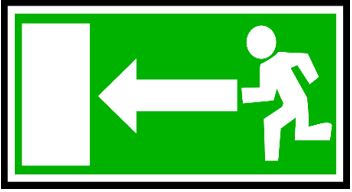
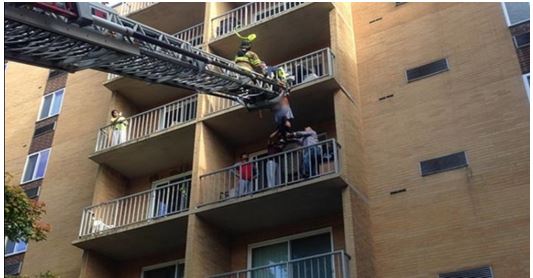
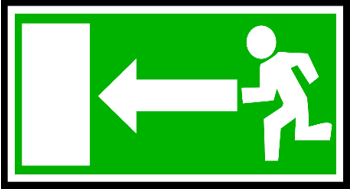
If the fire is very small, try to extinguish it with a fire extinguisher or water. If the fire is due to a electricity short-circuit, do not use water. If you can't put out the fire, don't panic. Try to stay calm. Try to leave the building immediately, following the signs and evacuation routes marked on the evacuation schemes, incl. corridors, staircases, external stable staircases. Never use elevators. If you find yourself in an elevator - get off it as quickly as possible and use the stairs. When passing through a smoky room, stick to the walls, move low down - there the concentration of dangerous gases is the lowest. Put a wet towel on your mouth and nose, wet your clothes, cover exposed parts of the body with wet towels. If you catches fire - stop and take off your burning clothes or lie down, cover your face with your palms and roll until the fire goes out. You are stuck? - fold your arms at the elbows and lean back, try to slowly free up space to move forward. After leaving the building, report the fire to 112. If it is impossible to leave the building, try to get on the roof platform or go out on the balcony, closing the doors behind you. Call 112 to report your location. If you are locked or blocked in a room, use tapes, wet towels or clothes to close any cracks around the door. Open the windows and stand next to them. Call 112 and explain your exact location.

How to react in case of forest fire
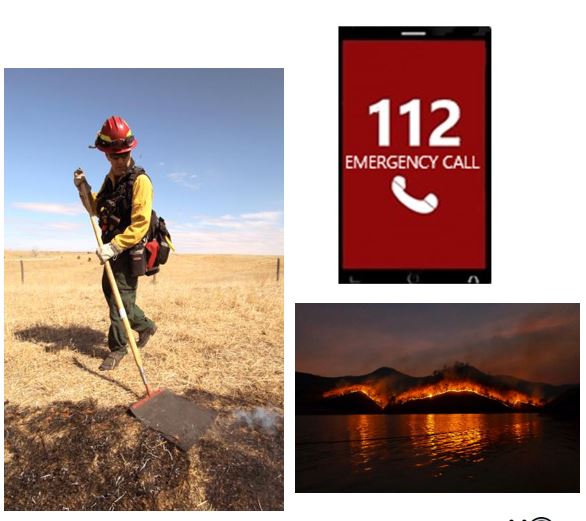
Signs of a forest fire – smoke, smell of burnt or flames Leave the area of the fire in the opposite direction to the wind Report the fire to telephone 112 as soon as possible Report the fire to a nearby hut or tourist point, forestry or town hall If you have information about people near the fire, their lives depend on your timely and accurate communication. Fire flapper from green branches?
How to react in case of fire at student dormitory
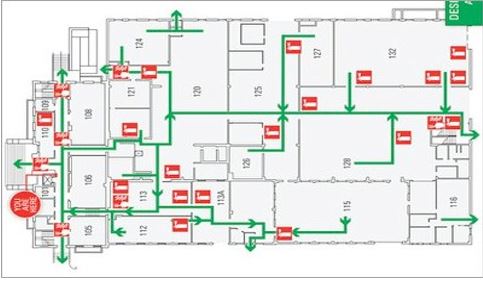
Before a fire: inquire information about the dormitory evacuation scheme - evacuation route from your room Very small fire: Try to put it out with a fire extinguisher or water. If the fire is due to a electricity short-circuit, do not use water. Don't panic, and think about the way to leave the building. Leave the building immediately. Do not stop and use evacuation routes (corridors, stairs, external stairs). During evacuation, close the doors behind you. If your clothes catch fire, do not run. Instead, stop, lie down, cover your face with your palms, and roll until the fire goes out When you are safe, call 112 After leaving the building, do not go back for anything If you are locked or blocked in a room, use tapes, wet towels or clothes to close any cracks around the door. Open the windows and stand next to them. Call 112 and explain your exact location. You can leave a sign outside the window to indicate the exact location.
People with disabilities (Hearing Impaired)
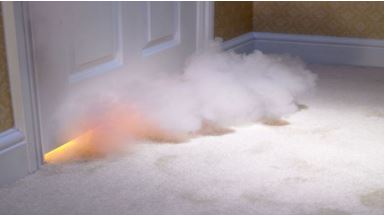
Very small fire: Try to extinguish it with a fire extinguisher or water If you can't put out the fire, keep your composure, don't panic, and think about the way to leave the building. The right action requires us to evacuate first. Leave the building immediately. Do not stop and use evacuation routes (corridors, stairs, external stairs). During evacuation, close the doors behind you. If you catch fire, do not run. Stop, lie down, cover your face with your palms, and roll until the fire goes out. If the door or its handle is hot, if smoke comes out under or around it, do not open it. If you find yourself in a crowd of people, fold your arms at the elbows and lean back, try to slowly free up space to move forward. After leaving the building, do not go back for anything. Locked or blocked in a room? Use tapes, wet towels or clothes to close any cracks around the door. Open the windows and stand next to them. You can leave a sign outside the window to indicate the exact location.
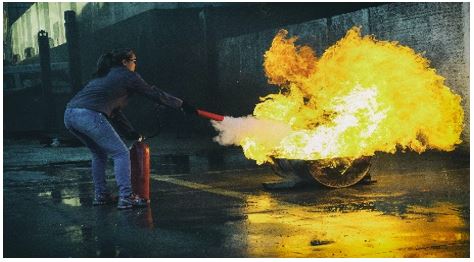
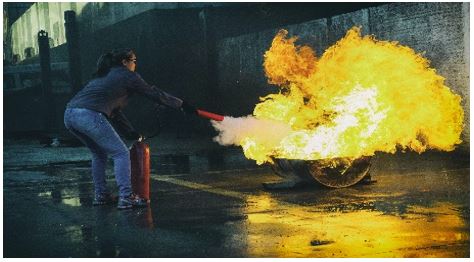
More about fires – call 112, fire extinguishers, evacuation plan, smoke detectors, electricity, cigarettes, candles, etc.
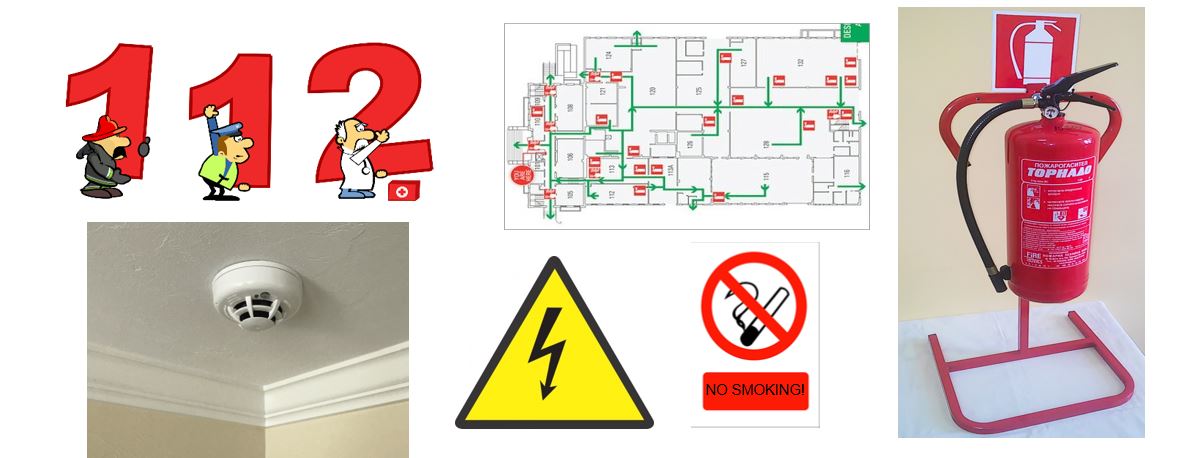
Check List
FIRE SAFETY- FIRE SAFETY -FIRE SAFETY-FIRE SAFETY-FIRE SAFETY DO If the fire is very small (for example: it’s burning the curtains), try to extinguish it with a fire extinguisher or water. If the fire is due to an electricity short-circuit, do not use water. Keep your composure, do not panic, but think about the way in which you can leave the building. Proper action requires us to evacuate first and then call 112 for an emergency call. Use evacuation routes (corridors, stairs, external stairs). During evacuation, close the doors behind you. If your clothes catch fire, stop, lie down, cover your face with your palms, and roll until the fire goes out. If it is smoky, cover your mouth and nose with a towel or clothing, moving low to the ground as you exit the building. When you go outside and you are safe, use the telephone and call 112, saying who is calling, the address of the fire, the type of building, giving instructions on where the fire is and whether there are trapped people, animals, etc. If you are locked or blocked in a room, use tapes, wet towels or clothes to close any cracks around the door. Open the windows and stand next to them. Help your classmates to gather. Listen to the teacher who will give you information on whether to evacuate or stay in the classroom. If you find yourself in a crowd of people, fold your arms at the elbows and lean back, try to slowly free up space to move forward. Preventive measure: inquire information about the dormitory evacuation scheme - evacuation route from your room (direction, corridors, staircase, assembly point outside the building). DON’T DO If the fire has spread to an entire room, don’t try to extinguish it with a fire extinguisher. If the fire is due to an electricity short-circuit, do not use water. Under no circumstances don’t think about the dilemma: will we put out the fire and, if we fail, we call 112. The use of elevators is prohibited during the evacuation. If your clothes catch fire, do not run. If the door or its handle is hot, if smoke comes out under or around it, do not open it. This means that the fire is nearby. After leaving the building, do not go back for anything. When evacuating, do not separate from the column with students, do not run and use the corridors and stairs that are not affected by the fire. If you find yourself in a crowd of people, do not try to keep up with the pressure of the crowd. In case of forest fire, you shouldn’t go to the opposite direction to the wind and directly to the danger area.